

Field Notes: March Edition
Of beauty and lightning strikes and snowflakes

Considered: Coup de Foudre
French. Literally, “stroke of lightning”. Often applied to love at first sight.
Mentioned recently in the context of the upcoming auction of Jean and Terry de Gunzburg (yes, the Terry of By Terry). She told the FT, “We are more amateurs than collectors…We were never looking for ‘acquisitions’. With each piece, it was a coup de foudre.” In the de Gunzburg’s case, this was made a little easier when you’re talking about a collection formed with museum quality pieces: a Rothko, Giacomettis, a Picasso, even pieces by Zaha Hadid. Not things you pick up prowling regional art and collectibles shows.
But still the coup de foudre mention got me. That stop-you-in-your-tracks, heart racing, knees weakening, groin-based “oh. hell. yeah.” feeling. Altogether different from polite and head-based “oh this is interesting” or “this would fill out my collection because…” or “what a technically marvellous example of…” or more banal, “oh that’s beautiful/pretty/cool”.
People are often told to collect “what they love”, which for most is eye-rollingly pointless (do you know what you love, really?). But collecting according to a coup de foudre. That’s different, more viscerally understandable. Think compulsion, not impulse, mind you. You’ll likely collect less, though maybe more. And like love at first sight, it may not last. But does it matter? The object or painting or watch is the just the means. The feeling is the point.
Noted: Beauty
I’ve always had a strange relationship with beauty. My mother was the aesthete but deeply unstable, so beauty felt dangerous, or at best not something I wanted much to do with. But spring quarter senior year in college, sitting in a darkened lecture hall on the history of architecture. Coup de foudre. Oh.
Beyond that hall though—out among thinkers and critics and curators—beauty, it seemed, was untrustworthy, surficial, unserious. Art, architecture, objects, fashion, design—few seemed to esteem beauty. Self expression was everything. Luxury advertising came to “define” beauty. Those who stood up for beauty with a capital “B”—we too were unserious.
Yet somewhere, in the last few years, the sands shifted. Now in my happy little corner of Substack, Beauty is back. Everywhere. Not images, but ideas; not surface, but substance and depth. On The Culturist, Beauty Matters (and excellent introduction here), James Lucas (among many others), philosophy (Socrates, Kant, Sartre) rubs shoulders with criticism (Scruton) and faith (lots of Aquinas, old favorites John O’Donohue and von Hildebrand.) Like and follower counts are high. Comments indicate a growing tribe.
I’m a late bloomer when it comes to all this thinking about Beauty and its meaning. Should you want to dwell in Beauty, reading list gleaned from conversations, posts, crowdsourced notes here.1
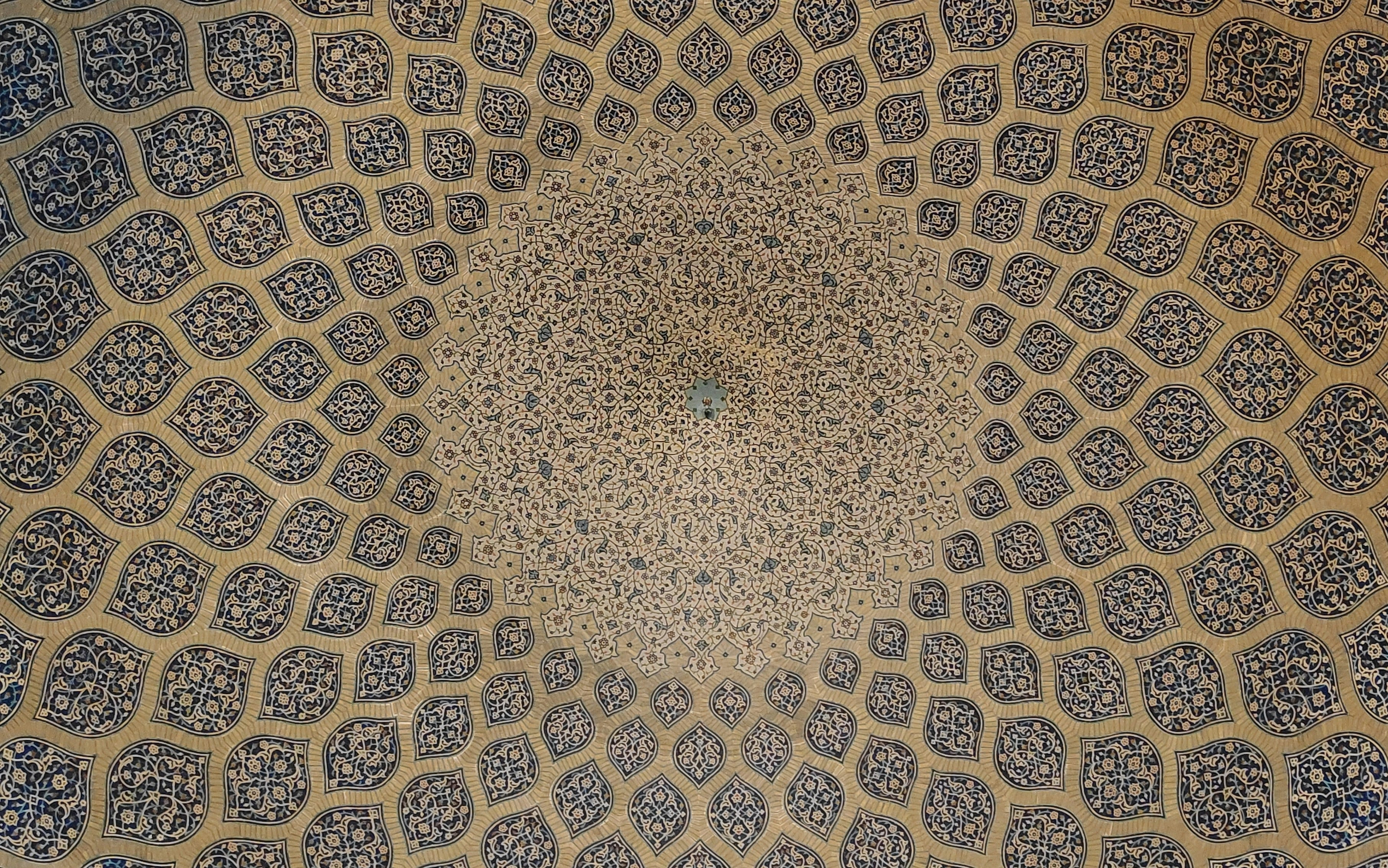
Heard: The unexpected
On the heels of assembling that list, a conversation: unexpected, but not entirely.
It involved Skylar Skikos of Story + Place, hospitality and real estate development mensch. I’d always clocked some soulfulness there but not…this.
Catching up on one of his development projects, we talked the usual vexations, then more meaningfully about his dreams of creating home and community. Then the kicker: “And beauty. It has to be about beauty.” Beat. A minute later found us diving far beneath the surface into what his faith (Orthodox Christian) had to say about beauty. A subsequent rabbit hole of an email thread from him went something like this.
Beauty is reflective of reality--it’s ontological. When something is beautiful, it means it is true to its form or nature. Beauty is the splendor of being, the radiance of a thing’s essential nature or inner truth. Think of a beautiful tree or a beautiful ballet dance. Both are beautiful when they reflect their true nature. Same with a beautiful person--someone is living true to who he or she is. Those are all reflections of reality in its truest form. And when we see them as beautiful, what we see is this harmony with their nature.
Two other points.
Beauty is not subjective. It’s not in the eye of the beholder. We need to train ourselves to see beauty, see the nature of being / reality. If we don’t see it, that’s on us and not beauty, which is objective. Similarly, we can call things beautiful that are not, that are actually flashy or alluring but that doesn’t make them truly beautiful.
Beauty comes first. It draws us in, reorients us, and then we can open up to see goodness and truth. We capture reality in its fullness and it arrests us, then we consciously catch up
Blown away. And it makes me wonder, how big is the tribe of believers in Beauty?
Read: Obsession
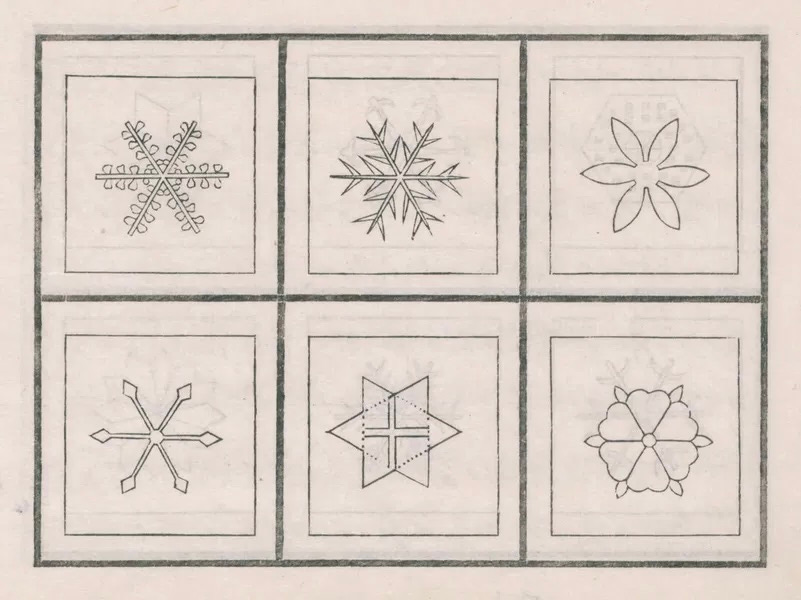
Sekka Zusetsu: A Book of Snowflakes. Might be because I’m in the Northeast, but also because this is a beautiful obsession. Mostly healthy, methinks. A man who spent 20 years of his life (in early 19th C Japan) chronicling snowflakes. Per the Public Domain Review:
Doi Toshitsura’s process for making his sketches was simple: on a suitably chilly evening, he would place a black cloth outside to pre-cool it with cold air. Then, gathering freshly fallen snow on the blanket, he transferred each flake individually using tweezers to a lacquerware tray for microscopic observation, being careful not to exhale toward his specimens lest they dissolve.
Everything about this: magic. Somehow reminds me of Perfect Days by Wim Wenders.
Parting Shot
We no longer dare to believe in beauty and we make of it a mere appearance in order the more easily to dispose of it. Hans Urs von Balthasar.
Wishing you many coups de foudre and moments of Beauty. Do share what arises.
Noting preponderance of Western sources. Will keep building out with others as I find them.
Beauty & Aesthetics (Foundational Texts)
Beauty — Roger Scruton
On Beauty and Being Just — Elaine Scarry
Philosophies of Art and Beauty: Selected Readings in Aesthetics from Plato to Heidegger — Albert Hofstadter & Richard Kuhns (eds.)
Aesthetics — Dietrich von Hildebrand
A Philosophical Enquiry into the Origin of Our Ideas of the Sublime and Beautiful — Edmund Burke
The Ethics of Beauty — Timothy Pitts
Aesthetics: A Comprehensive Anthology — Stephen M. Cahn (ed.)
Beauty, The Invisible Embrace — John O’Donohue
Ornament, Architecture & Design
Handbook of Ornament — Franz Sales Meyer
The Seven Lamps of Architecture — John Ruskin
I’ve always had difficulty separating beauty from awe… loved the deep dive in this issue and the image of the Japanese snowflake “collector” will stay with me