

Women's Work
On lustre, lucre, and modernity

I’ve never been quite sure how an eye forms. Nor how it shifts.
Mine formed early. Around nine, visiting English friends’ flats, I was goggle-eyed. All that Chippendale, Victoriana, chintz. My early eye, trained as it was on mid-century Japanese-influenced minimal-ish surroundings, was not impressed. A full-blown aversion to Willowware blossomed soon after. Then I declared Imari red gaudy.
Minimal-ishism defined my college digs and those that followed. Until my late thirties. Then, a wobble crept into all that certainty: a burgeoning appreciation for texture, undone-ness, early inklings of a ceramics problem.
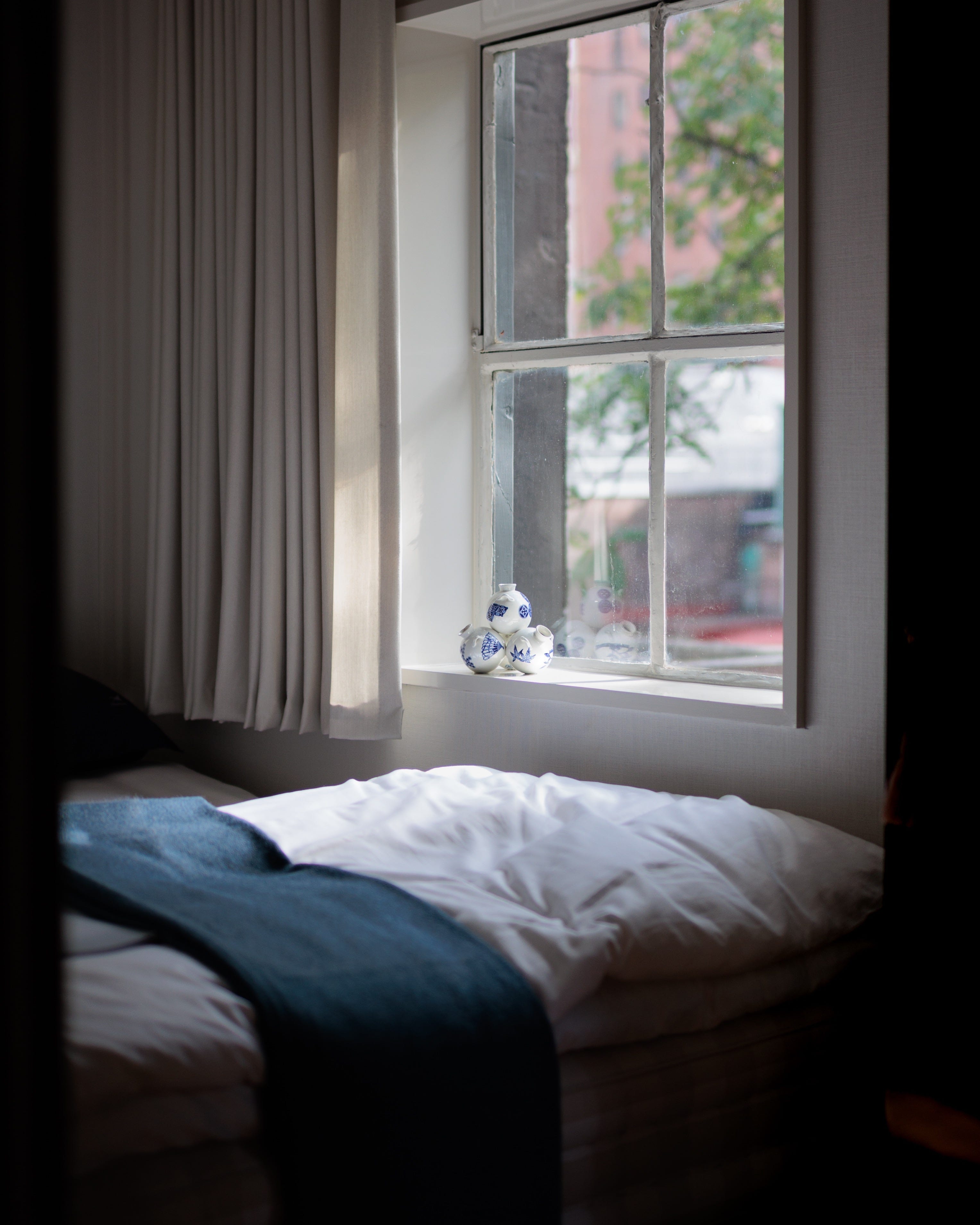
More recently: wobble becomes fall. World of Interiors, in print obviously. Liberty. A weakness for Buly 1803. Simone Rocha. Ginori for Alitalia butter plates (what? oh yes.) My current happy place: texture, decorated (egads) surfaces, reliefs. Reassuringly, my early minimalist still roams, obsessive about form and line, guardrails for my definition of beauty. And in a world of mass production, I crave things with lore and gravitas: something with a reason to still be around.
Comfortingly, this holy trinity has remained relatively elusive, keeping me safely out of collector territory. Until I came across Bailey Tichenor—and her gallery, Artistoric. I sense trouble.
As in life, antiques.
In fine antiques, I’ve often felt—however subtly—a pressure to choose. Beauty, or importance? In the antiques world, I’ve often felt that the focus leans more toward the intellectual, a fetishization of facts and dates at the expense of beauty. Collect the storied, not the beautiful.
And we wonder why the world of fine antiques is—gently put—not exactly robust.
The fix is obvious, if not easy: collapse the binary, embrace a level of fluidity. Objects need to be important and something you actually want to live with—not just admire at a polite distance, but encounter daily without fatigue. Something that does something for you, to you.
Enter Artistoric.
As befits its name, Artistoric is about art and history, entwined.

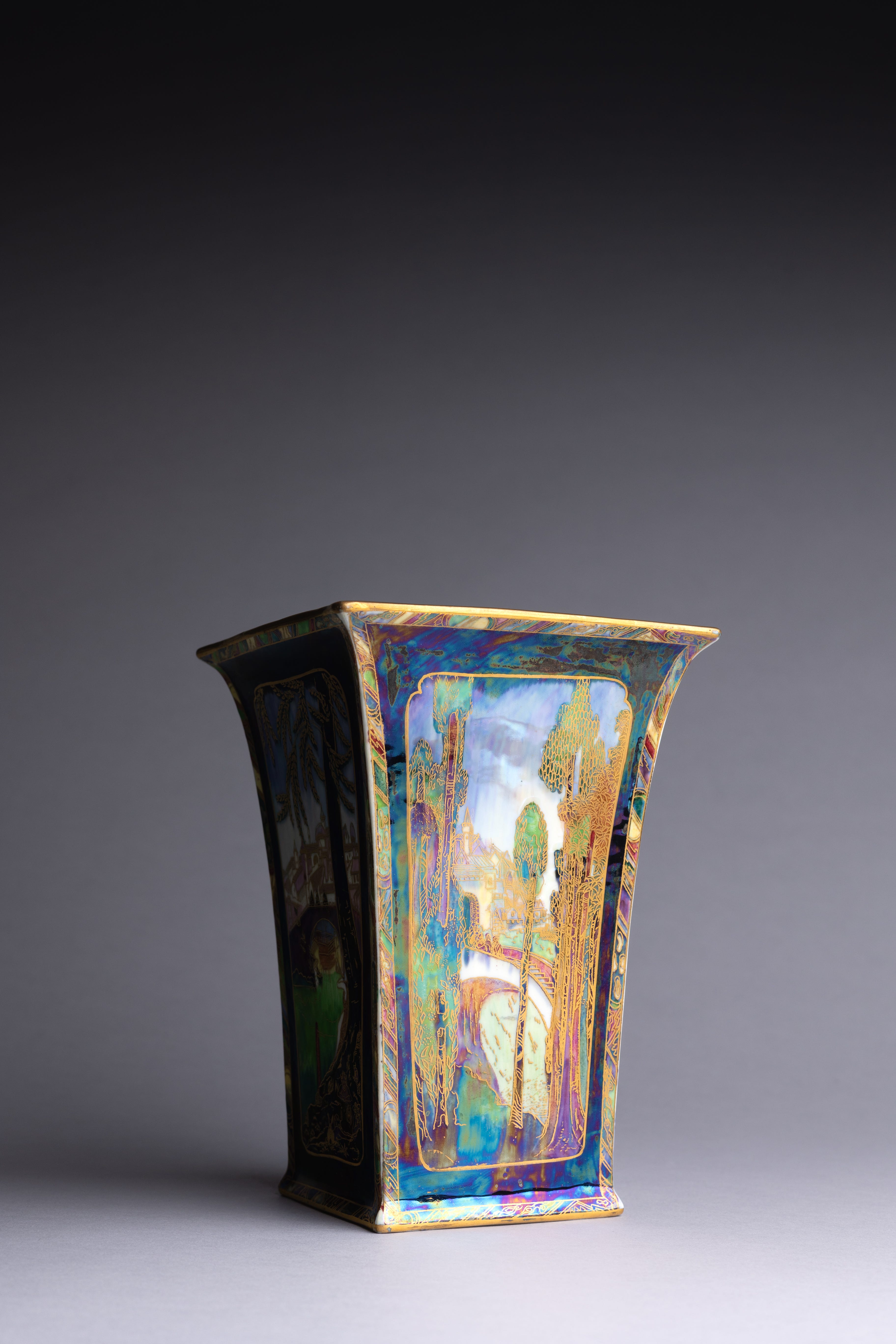
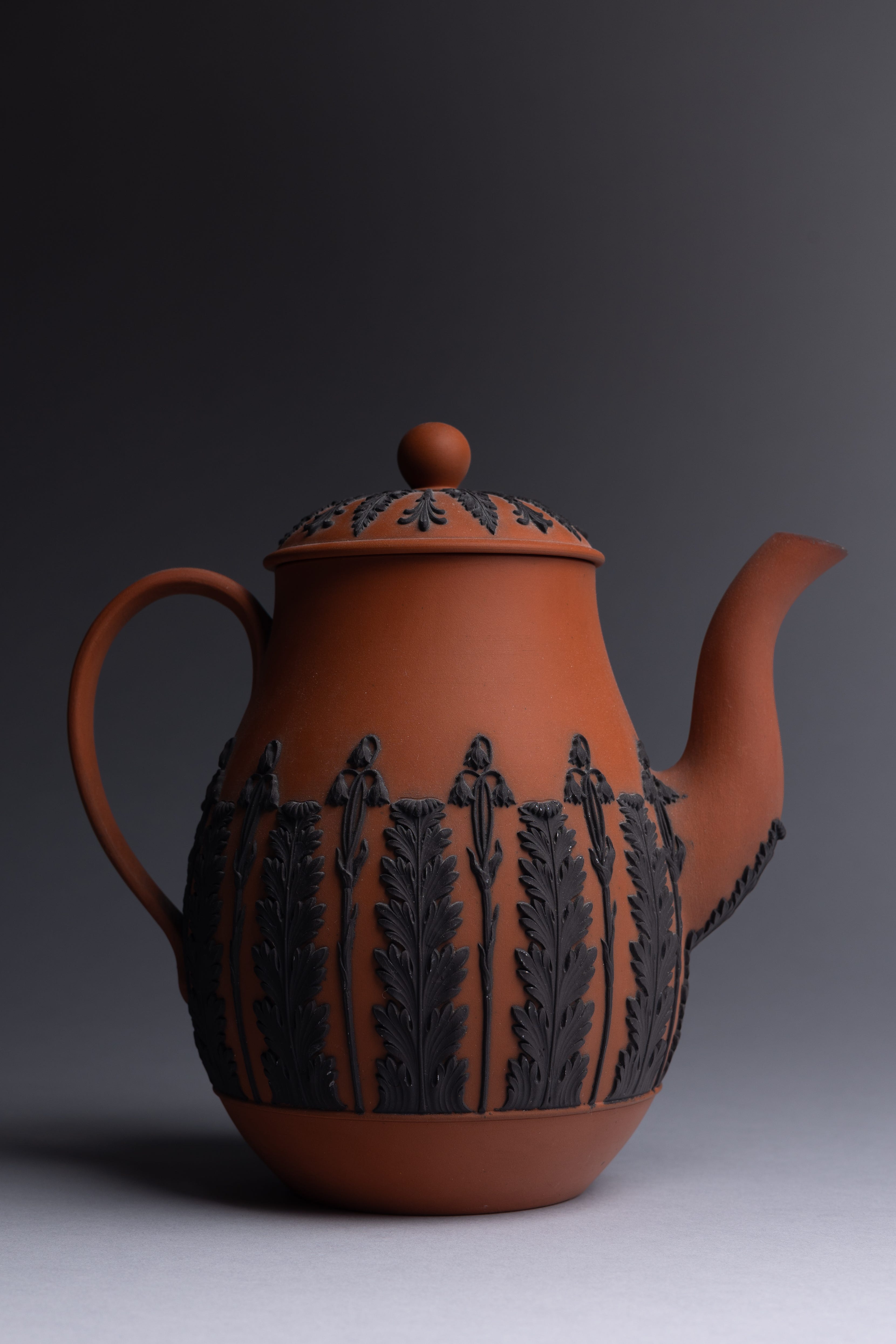
The edit is rigorous, disciplined, insightful: luminous lustreware bowls by Daisy Makeig-Jones that would feel as at home in a patrician Boston parlour as in a Brutalist Barbican living room. A Wedgwood pitcher and tumbler that would fit in perfectly in a languidly chic Milanese apartment by Dimore Studio. Historic, yes—but not dutiful, not reverential, not stuck.
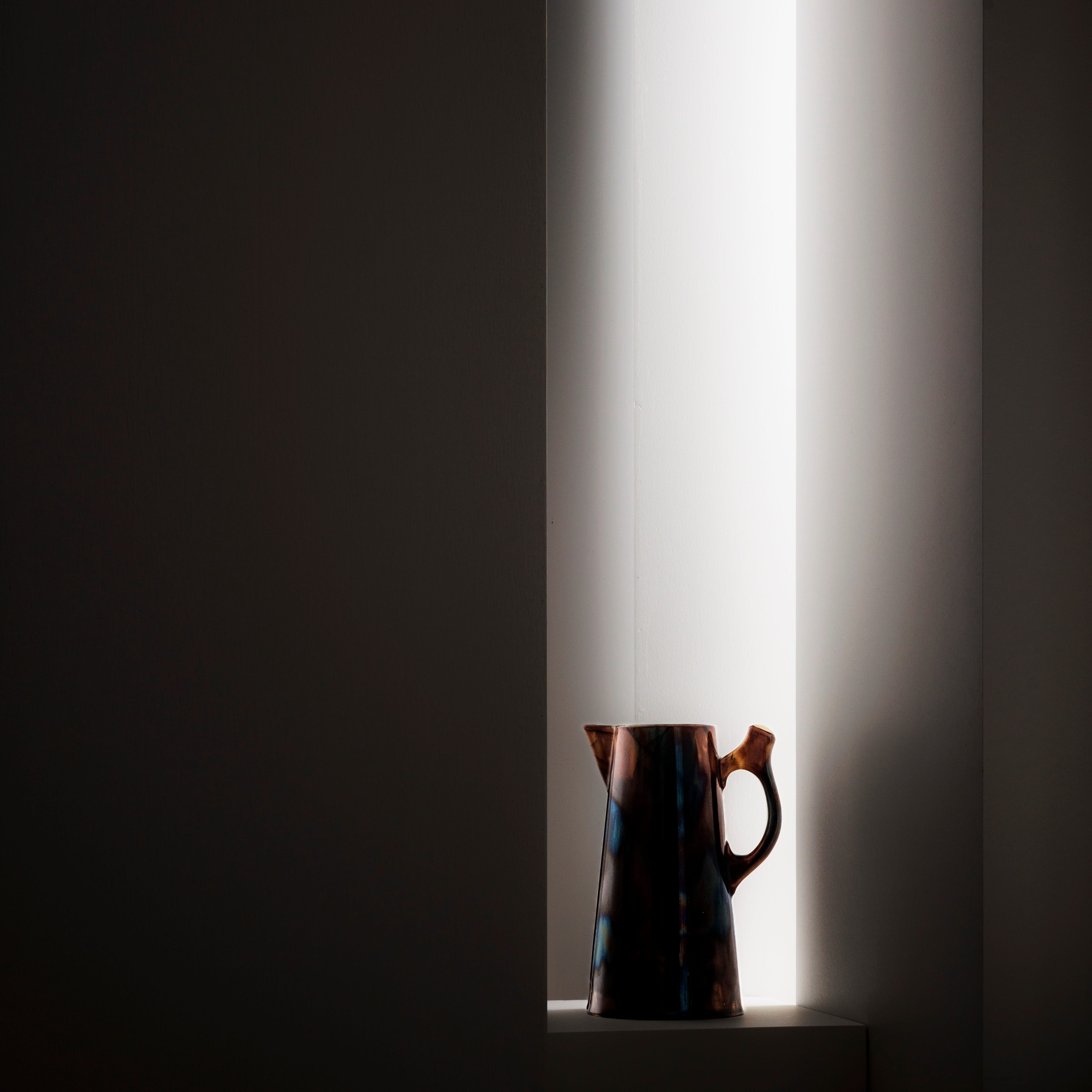
Bailey also has that rarer instinct: storytelling not just through words, but through images. In her hands—and through the lens of her husband, art historian and photographer Michael Assis—these objects feel intensely present. Charged. Hot, even. The kind of storytelling that makes you look, linger, consider, want.
Also notable: Bailey is staking out a still-narrow, still-underloved lane—overlooked women artists and artisans. May Morris (daughter of William), Daisy Makeig-Jones, Clarice Cliff. “I shifted my focus to women in ceramics to make my collection tighter. I don’t think there’s anyone else with that specific focus.”
“Lady Artists”
With this focus, Artistoric weaves together one of those particular moments in time when art met activism, creating social revolution. For in England, the decorative arts and the women’s movement were deeply entangled.
Driven by the rise of a new consumer class mad for pottery, Victorian-era British potteries turned to tens of thousands of women to keep up. Naturally, these women needed to be kept firmly in their place. They could paint, decorate—just not design or be recognized.
Later, at the beginning of the twentieth century, women had come to represent nearly half the workforce in the Stoke-on-Trent potteries. Male turf was still fiercely guarded, however: they even prevented women from using gold and armrests so women couldn’t do the fine—and more lucrative—work.
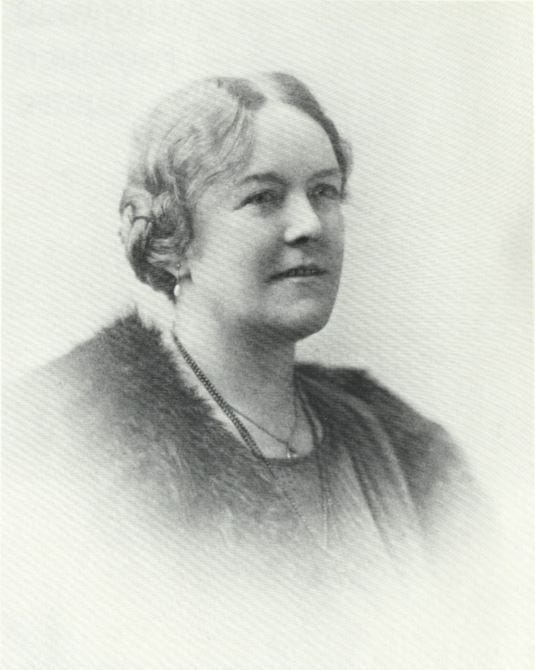
Daisy Makeig-Jones (1881-1945) was having none of that. She navigated this world by sheer force of personality. At Wedgwood, she worked her way up from being an apprentice paintress on the shop floor to launching her own line of designs in 1914. She became a Lead Designer. And then she went on to successfully turn around the fortunes of a then-struggling Wedgwood.
Suffrage campaigns of that era added another layer to this mix: May Morris, excluded from the Art Workers’ Guild on the basis of gender, founded the influential Women’s Guild of Arts in 1907 to provide the support that female artists and designers lacked and became closely associated with the fight for women’s rights.
Fast forward.
Bailey came to this not through the politics or history but through the material itself.
A Masters from Bard Graduate Center in decorative arts. Early interest in museum work and collection management. Then, during graduate school, a part-time job at Bardith, an Upper East Side gallery specializing in historic porcelain and pottery. “What I found so captivating about ceramics,” she says, “was that they can stand alone as a work of art, but they were so much more: signifiers of history, politics, culture, nature, the way people lived.”
A curatorial job followed. Then COVID, during which many baked bread. Bailey founded Artistoric. Focusing on what she loved—ceramics—she started to buy and sell storied pieces, acquired and sold almost entirely online. The business took off.
“I scour online auctions and discover things all the time. A lot of people don’t know what they have. It takes a lot to find the needle in the haystack.”
And there is, to be clear, a lot of haystack. Even within the so-called “good stuff,” abundance tips quickly into noise. But it’s one thing to optimize for history, maker, rarity, provenance—gnarly, yes, but oddly legible. The harder trick is aesthetic judgment: that alchemy that turns “nice” into “non-negotiable.”
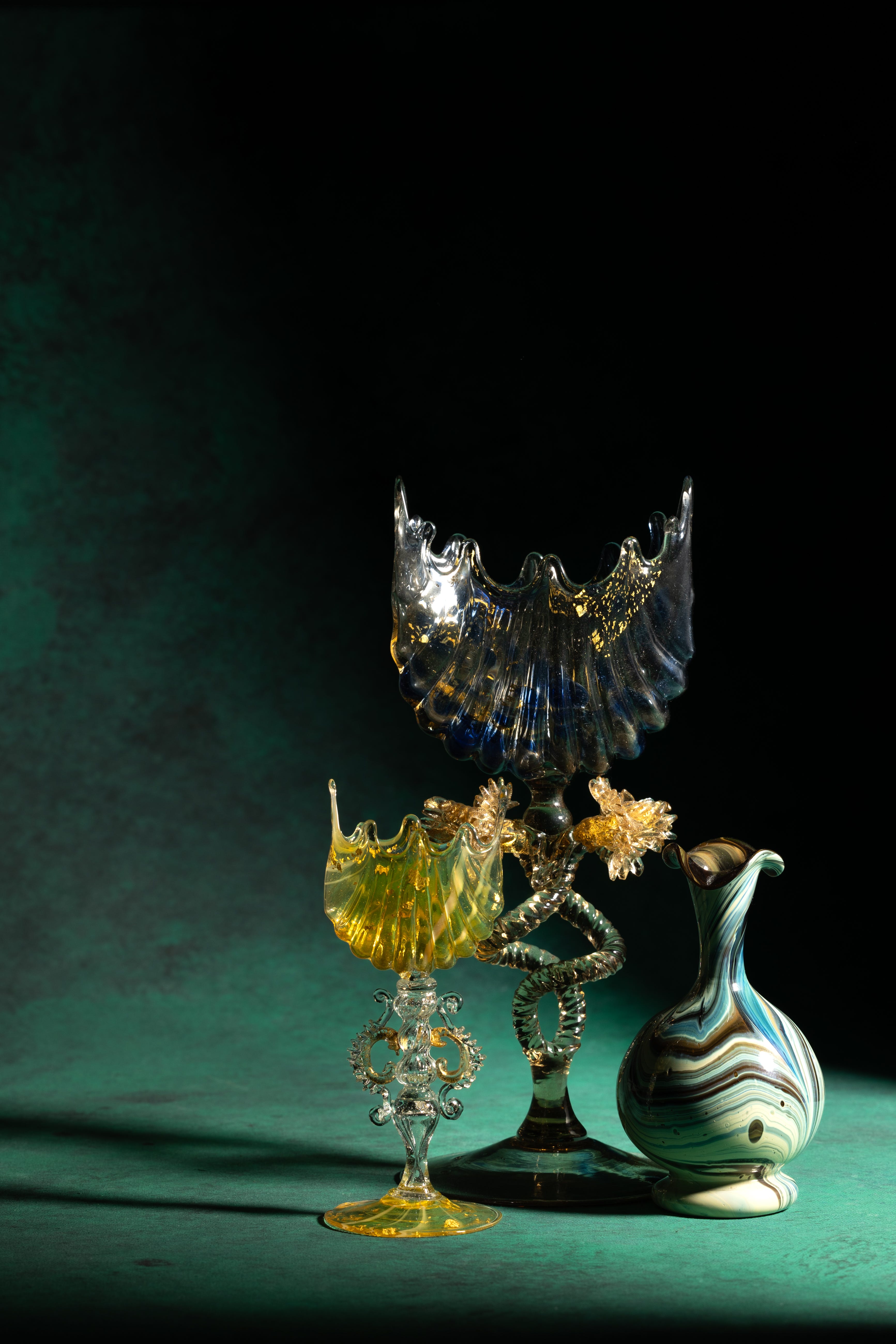
Acquiring without touching is a risky proposition for anyone, let alone us plebes. To have any real chance of getting things right, tultra-rigorous connoisseurship is required. But it’s precisely the intensive research that Bailey revels in. “If something catches my eye, I pause on it, then do the deep dive. Appearance is the entry point into history. Since I work with designers, I’ve come to understand what they’re looking for—that wasn’t my original expectation, but so much collecting in this category begins with a consideration of context, where it will fit. And that’s shaped by design and architecture.”
Hence the focus on the visual story, which mines the aesthetic side of the equation. It’s also just practical. Early on, Bailey and Michael recognized that photography had to do a lot of the heavy lifting in a world in which you couldn’t touch and feel an object.
And then there’s the storytelling involved in revealing the broader history, bringing the past to life. “I love to elucidate histories and stories that would appeal to people today. Global connections: the world is so small now, but there’s wonder in thinking about all the interconnections when the world was less globalized. And the individual makers: they were artists, but because of the material, many were great chemists too, always doing crazy experiments.”
Her favored period—late nineteenth and early twentieth century, Arts and Crafts, Aesthetic movement, a touch of Art Nouveau—turns out to be the defining historical era of the women whose work she champions.
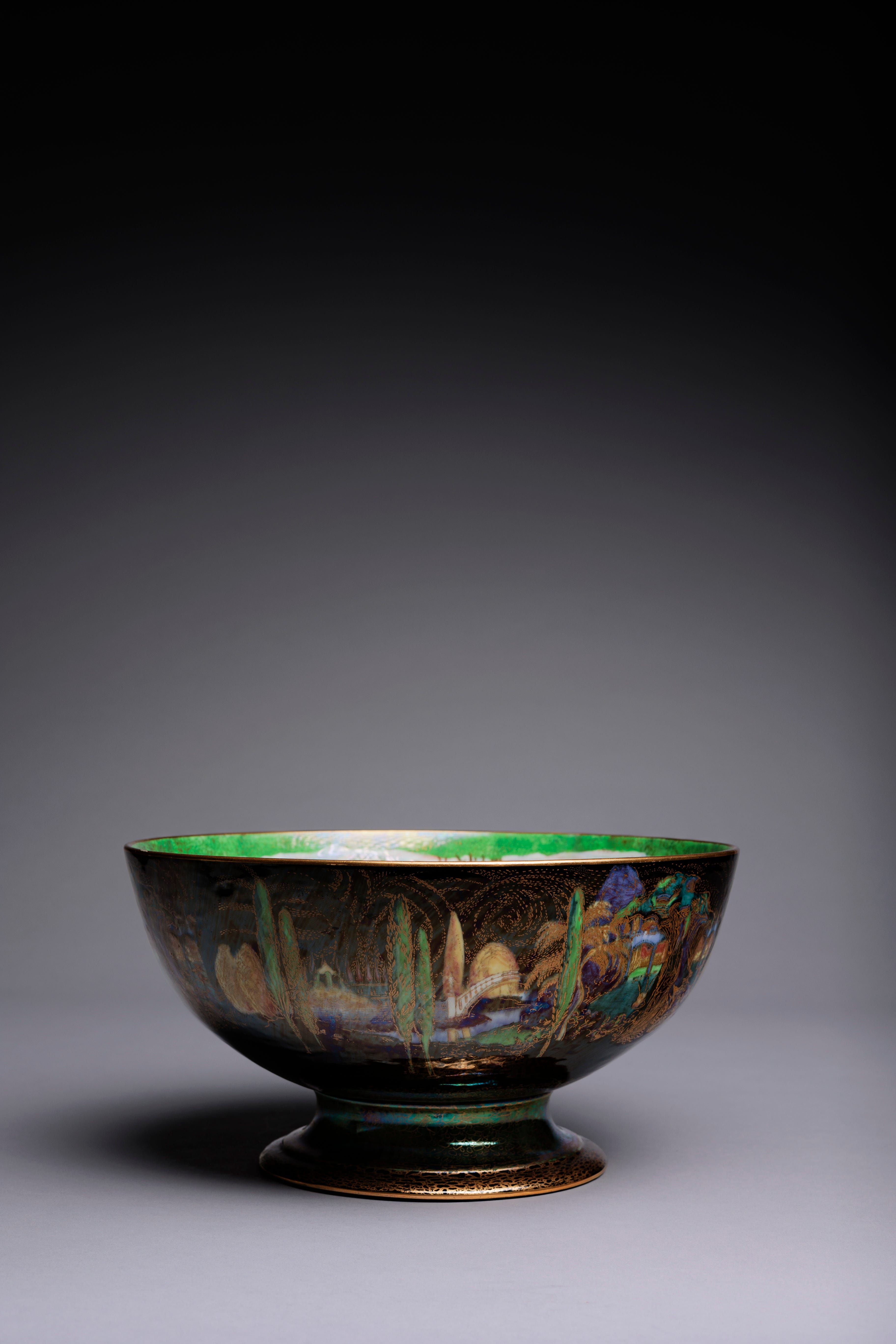
Favorite objects: anything by Daisy Makeig-Jones, who snuck her monogram onto a Wedgwood bowl. (“I just loved her spirit,” Bailey says. She notes that the lustre technique—metallic oxide overglaze, fired to an iridescent finish—originated in 9th-century Iraq, where it was called ajab: wonder. Storytelling, right there.)
Not made by a woman, but still embodying a willingness to go deep, reconsider, to find that needle in the haystack: a piece by Edmé Samson, the French firm famous for recreating museum porcelain. Many recoil from anything that smacks of reproduction. Bailey doesn’t. “The intent was not to deceive. Samson specialized in recreating techniques. On the Iznik-style base there’s an Arabic-style S at the bottom. They weren’t trying to hide it.”
“Lady Dealers”
In fine art and contemporary design, women gallerists are hardly unusual. In fine antiques: still an anomaly. Younger women rarer still. Yes, sexism. But also basic psychology: people buy from people they trust, and trust accrues over time. Which, historically, has meant men. Lots of them.
At the Young Antiques Dealers booth at the Winter Show: no women dealers. At the inaugural Young Antiques Dealers Association show: one.
“People have been welcoming,” Bailey says diplomatically, “but the establishment is not moving forward terribly quickly.”
The parallel between the women she studies and the position she occupies is obvious, even if she doesn’t linger on it. She’s operating in a field that accepts her expertise without quite reorganizing itself around it. In both cases, the same response: build your own lane. “I just make a place for myself: this is what I love. I find pieces and share them. I find stories and share them.”
In the rarified world of antiques, there’s something fresh and optimistic about people like Bailey. The great connoisseurs built their reputations in dining rooms, at shows, through provenance chains and hushed authoritative pronouncements about the object—less how to live with it. She built hers through research, visual storytelling, and a design-literate eye—balm to an audience that craves both history and visual thrill and the relationship between the two—in other words, context.
The antiques world needs her more than it knows.
But damn her. She’s already got me stalking that set of Daisy Makeig-Jones Hummingbird Bowls. Or maybe that Wedgwood coffee pot…
Resources
Cheryl Buckley, Potters and paintresses: Women designers in the pottery industry, 1870-1955
For inspiration:
Christopher Dresser, Japan : its architecture, art, and art manufactures
The Colour Room (a film about Clarice Cliff)
So nice to read your words again, Regina. Loved this article for it's attention to the sublimely beautiful works and their curator. Also, it was run reading a bit about your own back story and appreciation for the "oggetti" with which we choose to curate our personal spaces.
Brava! A luxurious and provocative read.